What Is Alcohol-Free Wine? How It Is Made and How It Tastes
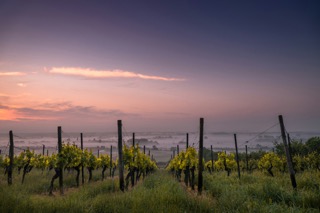
Real wine, fully fermented, with the alcohol taken out afterwards. How it is made, which types are worth drinking, and which are still catching up.
What is Alcohol-Free Wine? A Complete Guide (2026)
Alcohol-free wine is real wine with the alcohol removed. It starts as fully fermented wine — identical to traditional wine production — and has the alcohol extracted after fermentation. The result is a drink with less than 0.5% ABV that retains the acidity, structure, and aromatics of wine, without the alcohol. It is not grape juice.
Alcohol-free wine vs. non-alcoholic wine vs. dealcoholized wine
These terms are often used interchangeably. Here is what they actually mean:
- Alcohol-free wine — 0.0% ABV. No detectable alcohol.
- Non-alcoholic wine — Less than 0.5% ABV. Trace amounts — EU legal threshold for alcohol-free labelling.
- Dealcoholized wine — Less than 0.5% ABV. Wine that had alcohol removed after fermentation.
- Low-alcohol wine — 0.5%–1.2% ABV. Alcohol reduced, not fully removed.
In practice, most bottles labelled alcohol-free contain trace amounts up to 0.5% — comparable to the alcohol found naturally in orange juice or a ripe banana.
How is alcohol-free wine made?
Alcohol-free wine is made in two stages: fermentation, then dealcoholization.
Stage 1: Fermentation Grapes are harvested and fermented exactly like traditional wine. Yeast converts sugar into alcohol. At this point, the wine is full-strength.
Second fermentation (méthode traditionnelle)
Some producers, including Bolle, use a second fermentation in the bottle to develop natural bubbles and complexity. The same method used for Champagne. The alcohol produced in the second fermentation is then removed. This results in finer bubbles and greater depth than simple carbonation.
Stage 2: Dealcoholization The alcohol is removed using one of two main methods:
Reverse osmosis The wine is pushed through a fine membrane under pressure. Alcohol and water pass through; flavour compounds stay behind. The alcohol is removed and the remaining liquid is recombined. Effective, but can strip some aromatics.
Spinning cone column The wine passes through a spinning column at low temperature and pressure. Alcohol evaporates gently while preserving delicate aromas. More expensive and generally produces better results. Most premium alcohol-free wine producers use this method.
What does alcohol-free wine taste like?
It depends on the type. Here is an honest breakdown based on our tastings:
Sparkling — closest to the original The best alcohol-free sparkling wines are genuinely impressive. Fine bubbles, real acidity, complex aromatics. Our highest-rated bottle, the Oddbird Blanc de Blancs, scores 4.0/5.0. View →
White — consistently good White wine dealcoholizes well because it lacks tannin structure. The best examples retain bright acidity and aromatic complexity. Our top pick, the Juan Gil Disfrutando Verdejo 0%, scores 4.0/5.0. View →
Red — improving, not there yet Red wine is the hardest to replicate. Alcohol contributes significantly to body, warmth, and tannin structure — all of which are harder to preserve. The best non-alcoholic reds score around 3.5/5.0 in our tastings. Genuinely enjoyable, but not yet indistinguishable from full-strength red wine.
Rosé — underrated Rosé dealcoholizes similarly to white wine and tends to perform well. An underexplored part of the category.
How much alcohol does alcohol-free wine actually contain?
Most alcohol-free wines contain between 0.0% and 0.5% ABV. To put that in context:
- Orange juice: up to 0.5% ABV (natural fermentation)
- Ripe banana: approximately 0.4% ABV
- Kombucha: 0.5%–3% ABV
- Standard wine: 12%–15% ABV
For most people reducing alcohol intake, less than 0.5% ABV is suitable. For those avoiding alcohol entirely for medical, religious, or pregnancy reasons, look for certified 0.0% options.
Is alcohol-free wine healthy?
Alcohol-free wine is lower in calories than full-strength wine — typically 20 to 60 calories per 125ml versus 80 to 100 for standard wine. Sugar content varies significantly by producer: some contain 0 to 2g per serving, others up to 15g. Always check the label.
It is not a health product. It is a beverage — one that happens to contain no alcohol.
What to look for when buying alcohol-free wine
Check the ABV. 0.0% and less than 0.5% are different — relevant if you are pregnant or avoiding alcohol for medical reasons.
Check the sugar content. Some producers add sugar to compensate for the flavour lost during dealcoholization. Lower is generally better.
Start with sparkling or white. These are where alcohol-free wine excels. Avoid starting with red if you want the most convincing first experience.
Look for reviews. The gap between a 3.5/5.0 and a 4.0/5.0 bottle is significant in this category. Though keep in mind that wine taste can be subjective and there is no one right answer.